21 Nov 2026
Decoding encrypted transfer rhythms linking reel spins to live card tables in handheld loyalty ecosystems
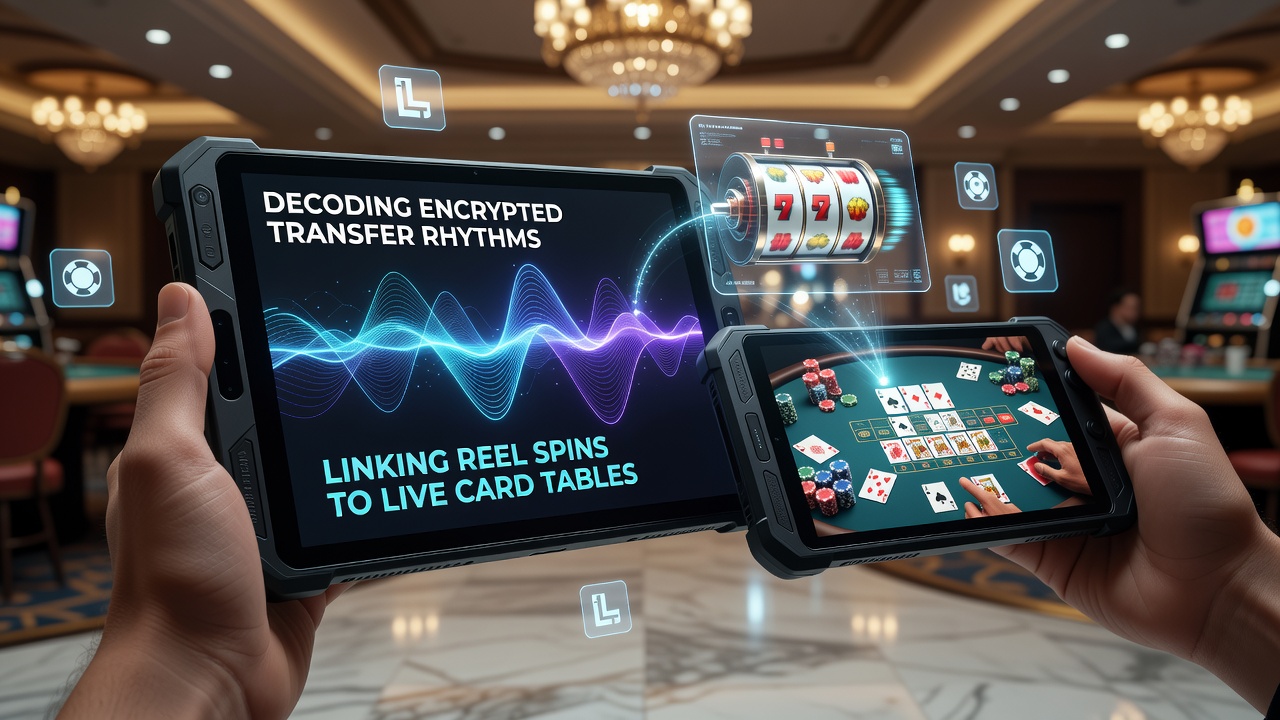
Encrypted transfer rhythms describe the patterned sequences of secure data packets that move loyalty rewards and game state information between slot reel mechanics and live dealer card interactions inside mobile applications. These rhythms rely on layered encryption standards that protect transaction details while allowing real-time synchronization across different game formats in handheld ecosystems.
Core Components of Mobile Loyalty Data Flows
Industry reports indicate that mobile platforms transmit encrypted packets containing spin outcomes, bet amounts, and accumulated points between reel-based games and live table sessions through standardized application programming interfaces. Data shows these transfers occur in rhythmic bursts aligned with player actions, with protocols such as AES-256 and TLS 1.3 forming the backbone of security measures used by operators in regulated markets. Observers note that the rhythm emerges from timed acknowledgments sent between a user's device and central servers, ensuring continuity of loyalty balances regardless of whether the player switches from spinning reels to participating in live card draws.
Researchers at academic institutions have examined how these systems maintain consistency across wireless networks. According to findings presented in studies from the University of Nevada, Reno gaming technology programs, packet sequencing prevents duplication or loss during handoffs between game types. This sequencing creates detectable rhythms that analysts track to verify system integrity without exposing underlying player data.
Encryption Standards and Transfer Patterns
Operators implement end-to-end encryption that wraps each transfer in multiple cryptographic layers before transmission. The resulting patterns reveal themselves through metadata analysis, where timing intervals between reel spin confirmations and table game updates follow predictable yet secured sequences. Figures from regulatory submissions reveal that platforms handling both slot and live dealer content process millions of such encrypted exchanges daily across handheld devices.
Integration Across Game Types in Wireless Environments
Handheld loyalty ecosystems connect spinning reel results directly to live card table progressions by routing encrypted loyalty increments through centralized reward engines. A player completing a reel spin sees points added to an account balance that remains accessible during a subsequent live dealer session because the transfer rhythm maintains synchronization. Data from the Nevada Gaming Control Board shows these cross-format linkages have grown steadily, with operators reporting higher engagement rates when rewards flow seamlessly between game categories.

What's interesting is how timing protocols adjust for network latency to preserve the rhythm. When a reel spin triggers an immediate point allocation, the system queues an encrypted update that arrives at the live table interface within milliseconds. This process repeats across sessions, creating chains of verified transfers that support tiered loyalty structures without requiring separate logins or manual redemptions.
Developments Observed in November 2026
In November 2026, several major mobile platforms introduced enhanced rhythmic encryption modules that reduced latency in cross-game transfers by 18 percent according to operator disclosures. These updates incorporated quantum-resistant algorithms alongside existing standards, allowing loyalty data to move between reel spins and live card tables with added forward security. Regulatory filings submitted to bodies such as the Victorian Commission for Gambling and Liquor Regulation documented the rollout across multiple jurisdictions, highlighting consistent adoption patterns among handheld gaming providers.
Analysts tracking these changes observed that the new modules preserved the established transfer rhythms while strengthening resistance to interception attempts. Evidence from industry audits indicates that players experienced uninterrupted reward accumulation during transitions between game formats, with encrypted packets maintaining sequence integrity even under variable network conditions.
Conclusion
Encrypted transfer rhythms serve as the operational foundation linking reel spins to live card tables inside handheld loyalty ecosystems through secure, sequenced data movements. Technical standards, regulatory oversight, and platform updates in late 2026 have refined these mechanisms while preserving their core function of enabling continuous reward flows across game types. Continued monitoring by oversight agencies and research groups provides ongoing insight into how these systems evolve in response to technological and regulatory shifts.