26 Sep 2026
Transaction Velocity and the Formation of Reward Chains Across Handheld Gaming Formats
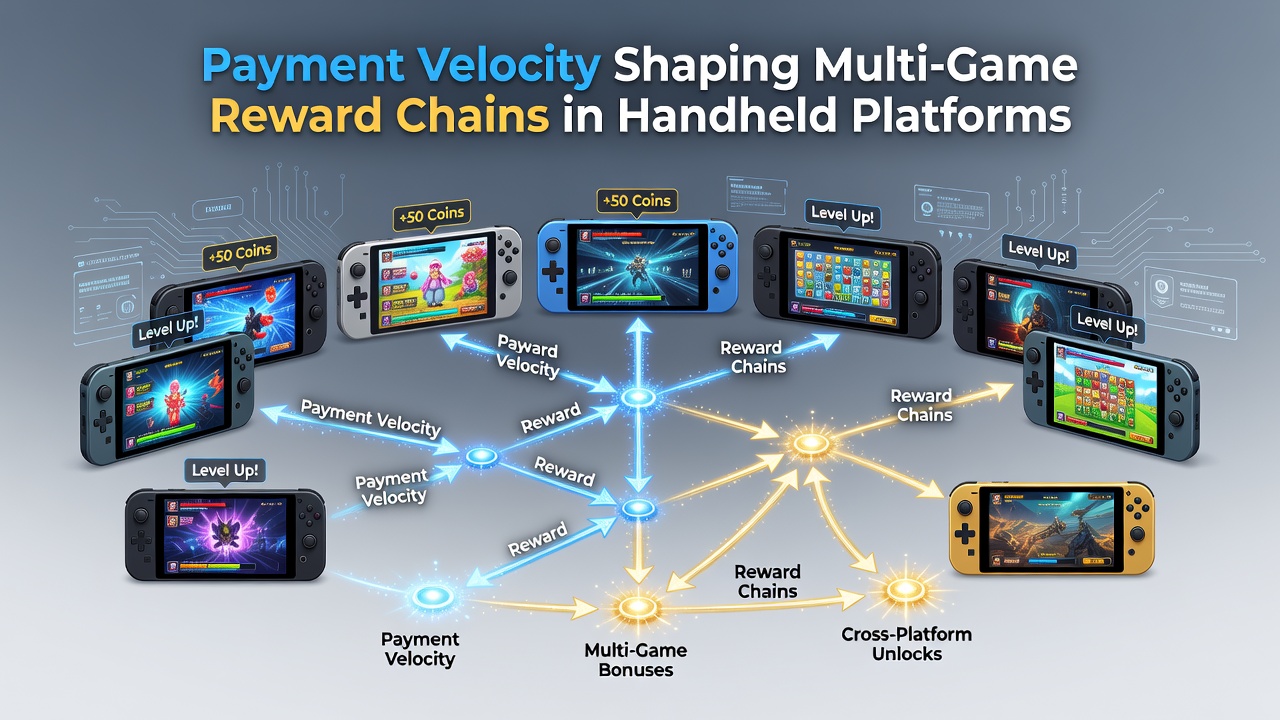
Payment velocity refers to the speed at which funds move through digital systems, and this metric has become central to how reward structures operate on handheld platforms. Faster processing times allow points, bonuses, and multipliers earned in one game to transfer directly into another without delays, creating continuous chains that span slots, table simulations, and live dealer sessions. Data from industry reports indicate that platforms integrating real-time settlement see higher cross-game activity levels, as users move between titles while maintaining accumulated benefits.
Handheld devices rely on mobile payment gateways that handle deposits and withdrawals in seconds rather than hours. This acceleration means reward eligibility windows stay open longer, letting players qualify for tiered multipliers based on total session velocity instead of isolated game performance. Observers note that systems tracking these flows often adjust bonus rates dynamically, responding to the pace of incoming transactions.
Mechanics of Multi-Game Reward Linkages
Reward chains form when algorithms link activity across multiple titles through a shared ledger. Payment velocity determines whether a bonus earned on a reel game converts instantly to credits usable at a virtual table or whether it sits pending while the system processes the transfer. Research from gaming technology providers shows that sub-second confirmations increase the number of completed chains per user session, because delays break the momentum that keeps players engaged across formats.
September 2026 figures from mobile platform analytics reveal that applications with integrated instant payment rails recorded a 17 percent rise in multi-title participation compared with slower systems. These environments use API connections that push transaction data into centralized reward engines, allowing points to compound across game categories without manual intervention. Experts have observed that velocity thresholds trigger additional layers, such as streak bonuses that activate only when funds move at consistent speeds between rounds.
Impact on Player Progression Systems
Progression systems on handheld platforms track not only win amounts but also the rate at which players cycle funds through different games. High velocity supports rapid advancement through loyalty tiers, since each completed transaction contributes to both balance and status metrics simultaneously. Figures from regulatory filings in multiple jurisdictions indicate that platforms emphasizing fast settlement report shorter average times to reach mid-level rewards, because the underlying data streams update continuously rather than in batches.
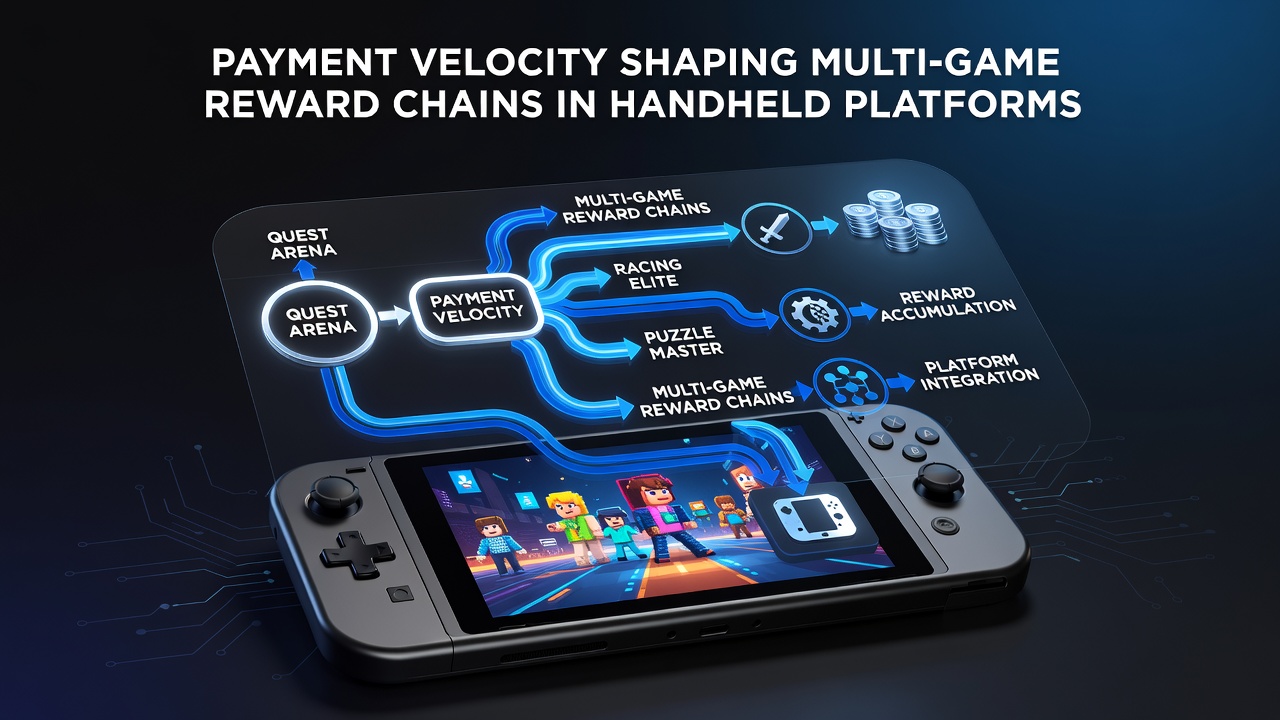
Take one case where developers adjusted payout timing across three connected games. The change produced measurable growth in chain completions, according to internal metrics shared with industry groups. Players who deposit and immediately transition between formats accumulate layered incentives that isolated play cannot replicate. This pattern appears consistently in data sets covering North American and European operators, where mobile traffic dominates overall volume.
Technical Infrastructure Supporting Velocity
Backend processors use distributed ledger elements and real-time APIs to maintain synchronization across game servers. When velocity increases, the system recalibrates reward multipliers on the fly, pulling live transaction data to decide eligibility. Studies published by research institutions such as the University of Nevada, Las Vegas gaming lab highlight how these adjustments reduce drop-off rates between games, because users see benefits accrue without leaving the mobile interface.
Security protocols remain integrated into the flow, verifying each movement while preserving speed. Industry organizations including the European Gaming and Betting Association have documented standards that balance verification speed with compliance requirements, enabling chains to span multiple titles while meeting regional rules. Platforms that optimize these elements often display higher retention across sessions that involve rapid fund movement.
Regional Data Patterns in 2026
Canadian provincial reports from the same period show comparable trends, with handheld platforms recording elevated cross-game reward activity when payment rails operate below three-second confirmation windows. Australian regulatory summaries similarly note that velocity metrics correlate with expanded participation in linked promotions, though operators must align these features with local responsible gaming parameters. The patterns suggest that infrastructure investments in faster processing directly influence how reward chains scale across device types.
Conclusion
Payment velocity continues to shape the architecture of multi-game reward systems on handheld platforms by determining how quickly benefits transfer and compound. Current data sets from 2026 demonstrate measurable differences in chain formation based on settlement speeds, with platforms achieving sub-second processing recording higher cross-title engagement. Technical standards and regional oversight maintain the balance between speed and compliance, allowing these interconnected structures to operate consistently across markets.